

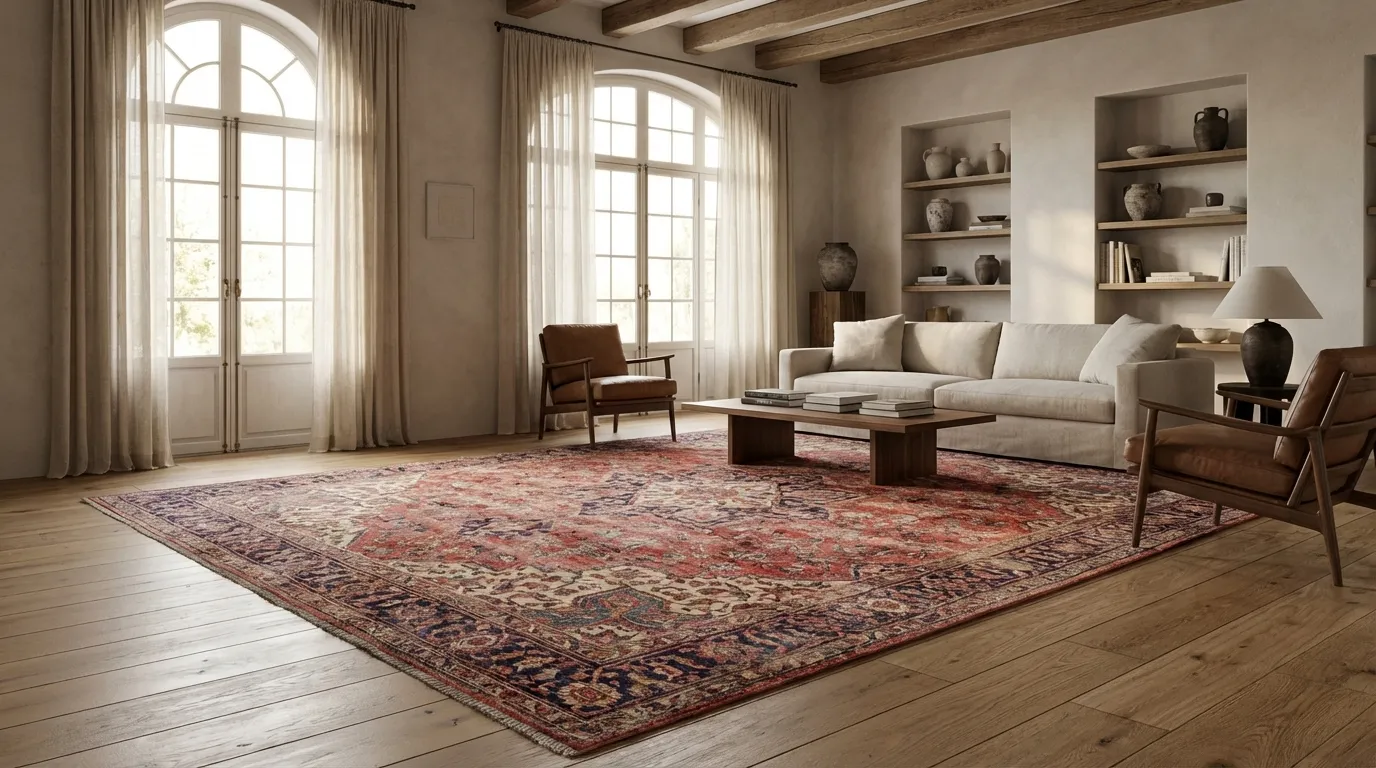
Top 10 Vintage Persian Rugs to Transform Your Home in 2026
Vintage Persian rugs are often more than floor coverings. In real homes, they bring together history, art, skilled craftsmanship, and long‑term value in one piece. By 2026, homeowners and collectors are often looking beyond fast furniture and mass‑made décor that wears out quickly. Instead, many choose items with meaning, rugs that age well, keep their character, and improve a home by anchoring furniture and reducing noise, rather than just filling space. That lasting presence and value explain why these rugs continue to stand out.
Owners of Persian rugs often ask which styles are gaining demand, while buyers want a clearer sense of what is likely to hold value over the next decade. Timing also matters when a rug needs cleaning, restoration, appraisal, or resale, especially before a sale, renovation, or formal evaluation, when details matter more. Proper hand‑washing, colour stabilization, and careful fringe repair help protect structure and resale value over time.
This guide looks at the top 10 vintage Persian rugs shaping home décor in 2026. It explains what sets each type apart, how they fit into modern interiors, from minimalist rooms to layered, lived‑in spaces, and why authentication, thoughtful restoration, and condition reports matter as prices and demand change. The insights draw from market data, care practices, pricing context, and years of professional rug experience.
Why Vintage Persian Rugs Matter More in 2026
The global rug market keeps growing, but vintage and antique Persian rugs still stand apart for clear, practical reasons. Supply is limited, and modern factories can’t easily replace weaving methods that have been shaped over generations within specific regions and families. That scarcity helps explain why designers, collectors, homeowners, and architects continue to look for authenticity in living and work spaces. Real character often appears in softened borders, natural dyes, and small irregularities, details that usually come only with age and use.
Recent market research shows the wider carpets and rugs sector growing at a steady pace, with Persian rugs keeping a stable niche even as style trends change faster than many expect.
|
Metric
|
Value
|
Year
|
|---|---|---|
| Global carpets and rugs market size | $64.19 billion | 2025 |
| Projected global market size | $70.26 billion | 2026 |
| Estimated Persian rug market size | $800 million | 2025 |
| Persian rug market CAGR | 5.3% | 2025, 2033 |
In my view, this growth reflects a broader shift toward quality and long-term use, especially as buyers plan homes meant to last well beyond a quick update in 2026. Buyer behaviour backs this up. Vintage rugs often suit sustainable decor goals, since keeping items longer matters more than frequent replacement. Reusing handmade rugs, sometimes by repairing edges or foundations, cuts waste while keeping skilled work in everyday use. This practical side helps explain why Data Insights Market researchers report that collector demand remains strong, a key point when considering long-term value.
The luxury segment of the Persian rug market continues to thrive, driven by collectors and high-net-worth individuals who view these pieces as investments and works of art.
The Top 10 Vintage Persian Rugs That Shape 2026 Interiors
Not all Persian rugs perform the same in homes; ten styles tend to stand out for beauty, durability, craft, and market demand. Standards still matter to buyers when they compare weave quality and long-term wear.
1. Vintage Tabriz Rugs
Tabriz rugs are known for their fine knot density and detailed designs, with medallions, floral patterns, pictorial scenes, and structured borders that read as classic. In 2026, collectors favour older pieces with natural dyes and worn pile; I think they work well in living rooms or libraries where you host.
2. Antique Kashan Rugs
Kashan rugs are often considered investment‑grade, as collectors prize their durability over time. As a leading example of central Iranian workshop carpets, they show rich reds, ivory fields, and dense wool. Harsh cleaning can strip dyes and reduce value, so professional care preserves colour and structure.
3. Distressed Heriz Rugs
Anchoring open floor plans, especially living rooms, distressed Heriz rugs bring a strong, grounded feel that keeps spaces minimal without competing. Known for bold geometry and thick wool, they work well in modern homes. Light distressing softens edges, and its durability suits family living rooms today.
4. Vintage Isfahan Rugs
And Isfahan rugs use finer wool, often paired with silk accents that give a soft sheen. They fit well in polished rooms, especially dining spaces and main bedrooms with lighter foot traffic. Since they’re delicate, restoration is important; small fixes should use matching, original materials.
5. Ziegler Rugs
Versatile, arguably. Popular in 2026 transitional homes, Ziegler rugs are made for Western tastes, with softer colours and looser patterns that keep rooms open and fit spaces without overwhelming the trim (you probably notice this).
6. Overdyed Rugs
Overdyed vintage rugs bring strong colour to neutral rooms, but the base rug still matters, especially the original fibres. I usually find that an antique base lasts longer, so the rug stays usable after dyeing.
7. Bakhtiari Garden Rugs
Bakhtiari rugs often feature garden motifs arranged in panel layouts, sometimes mirroring real plots, where each section reflects a local story; cultural meaning and village-specific roots shape the overall design.
8. Qom Silk Rugs
And Qom rugs are usually smaller, known for fine weaving. Their silk fibres make them standout pieces, and they often need careful, specialized cleaning to prevent long-term fibre damage.
9. Hamadan Village Rugs
Hamadan rugs are an affordable way to start vintage collecting. Their simple patterns work well in everyday spaces you actually use (living rooms), with earthy colours and a handmade look (often uneven).
10. Malayer and Sarouk Revival Rugs
These rugs balance tradition with everyday use for active living spaces.
Sarouk revival pieces are common in homes, wear well over time, and keep the familiar floral medallions people expect.
Authenticity, Provenance, and Avoiding Costly Mistakes
As prices rise, misidentification becomes more common and usually more expensive. Many rugs sold as Persian are actually reproductions or loosely labelled pieces, which happens more often than buyers expect. That difference can affect insurance coverage, resale value, and restoration decisions, especially if the rug may be sold or insured later.
Experts at Rug District say demand is strongest for verified works from Tabriz, Kashan, Isfahan, and Heriz. There are rarely shortcuts. Buyers usually put more trust in documentation and specialist opinions than in casual appraisals, which often explains wide price gaps.
Not sure about the origin? Professional verification is often worth the effort. We covered this in a guide on how to authenticate an Oriental rug, looking at materials, knot structure, and regional traits. You can also review our Identifying Genuine Persian Rugs: Cleaning & Care Guide for more insights.
Mistakes like over-cleaning, DIY stain removal, aggressive repairs, or trimming fringe to make a rug look newer usually lower long-term value. For example, a shortened fringe can permanently change how a rug is judged.
Cleaning and Restoration: Protecting Value Over Time
Vintage Persian rugs are handmade from wool and silk, with cotton often forming the foundation. Each fibre responds differently to water and temperature, so issues usually begin during cleaning rather than everyday use. Steam cleaning, for example, can cause dyes to bleed or make the structure tighten, leading to distortion. These changes are easy to overlook if you’re not familiar with older textiles.
Industry guidance often warns against one-size-fits-all cleaning methods. The Smithsonian’s Museum Conservation Institute, widely regarded as a reliable source for textile preservation, points to improper wet cleaning as one of the most common causes of damage in historic rugs. This catches many owners off guard.
Professional rug cleaning is done slowly and with control. Rugs are dusted, hand-washed, carefully rinsed, and dried in managed conditions. Repairs use matched wool and traditional methods suited to the specific weave. This level of care often helps protect resale value. Restored rugs with clear records tend to do better, especially during the rug consignment process, where buyers may ask for proof of past care. For further details on cleaning risks, see our Oriental Rug Cleaning: Steam Cleaning Risks & Safer Options.
Decorating With Vintage Rugs in Modern Homes
Mixing eras is common in 2026 interiors, and it’s usually intentional rather than a passing phase. In many modern homes, a vintage Persian rug serves as the foundation for the most used area, often a living room seating area or the center of an open-plan loft, before anything else is styled. This grounding effect works best with low-pile or distressed rugs, which slide easily under dining chairs and across open layouts. Smaller pieces are often layered over jute or sisal, a familiar approach that adds texture without visual clutter.
Current decor leans muted. Washed reds, indigo blues, soft ivory fields, and faded neutrals feel calm and lasting. Vintage Persian rugs come with these tones naturally, shaped by time rather than artificial aging, seen in uneven wear and softened contrast.
Style aside, cultural meaning often draws attention. Many motifs reference protection, fertility, prosperity, or spiritual beliefs, and the cultural significance of Oriental rugs becomes clearer as those symbols appear in everyday spaces. To explore these meanings, visit our Cultural Significance of Oriental Rugs: Symbols & Heritage.
Making the Most of Your Rug Investment
Value tends to last longer with steady care, not once-in-a-while fixes. Many owners are surprised by how much early attention matters: small repairs done promptly often prevent bigger damage later. Rotating rugs once a year helps spread wear, especially in doorways, and pads reduce friction over time. Why delay spills when quick action usually saves the fibres? Act fast, avoid guesswork, and skip home remedies. Plan inspections every few years and keep records of cleanings and appraisals for insurance or resale. In my view, antique textile specialists, often family-run shops, handle rugs with care, such as spotting edge wear before it starts to fray in a hallway.
Putting Timeless Rugs to Work in Your Home
A well-chosen Persian rug often does more than change how a room looks. As it moves between homes, its value and story usually grow, linking past owners with new ones in a very real way. That sense of continuity is often the main appeal behind the top 10 vintage Persian rugs for 2026, which point to a broader move toward more intentional home decor.
These rugs bring colour and pattern into living rooms, dining areas, and bedrooms, often grounding spaces under coffee or dining tables. They’re made for real life, foot traffic, pets, and daily use, rather than being treated as display pieces. Owners who keep up with regular vacuuming and occasional professional cleaning often see long-term benefits, even though that step is easy to overlook.
If selling is on your mind, condition checks, age records, and repair history can make a difference. Addressing minor repairs early can boost resale value, such as refreshing a dining room rug before listing a home.
Frequently Asked Questions
Authentic Persian rugs are hand‑knotted and usually come from Iranian areas like Tabriz. Materials and knot structure matter most. Design details can be helpful in some situations, but a professional review is often the safest way to confirm age and origin.
Are vintage Persian rugs a good investment in 2026?
Many are, especially well-known pieces (in my view). Value often holds since supply is limited and demand continues. Condition and authenticity matter most, along with regular care (you'll see), which affects resale.
How often should vintage rugs be professionally cleaned?
Often, the problem is buildup: frequent surface cleaning can push dirt deeper during vacuuming and wear fibres faster. As a result, most rugs do best with professional cleaning every three to five years; high-traffic rugs need it sooner.
Can damaged vintage rugs be restored without losing value?
But restoration is often possible when done by skilled workers. Value is usually kept by matching materials; poor repairs can lower it, and later fixes are hard to undo.
Is it safe to place antique rugs in busy areas of the home?
Busy rooms aren’t off-limits. It’s generally safe to pick a low‑pile, woven rug for hallways and keep it up with care (pads help), but results vary. In my experience, Heriz or Hamadan rugs handle foot traffic well.